

How to Fix and Waterproof Damaged Roof Membranes
Heading
Different waterproofing products will work best for repairing various types of damage.

Not every flat roof leak means calling in the professionals. If you’re dealing with water ingress caused by a small crack, a gap at the seam, or some wear around a fixture, you can often fix it yourself.
Liquid waterproofing the area with Gorilla Waterproof Coat & Seal Liquid or Spray is a simple, effective way to take care of minor damage and reseal and protect your roof without replacing the membrane.
Not sure where to start? This guide is for you. We’ll walk you through the entire process, from inspecting the damage to applying the right sealant and keeping your roof leak-free.
What you’ll need
- Gorilla Waterproof Coat & Seal Liquid
- Gorilla Waterproof Coat & Seal Spray
- Roller brush
- Scraping tool/screwdriver
- Wire brush
- Broom
- Leaf blower
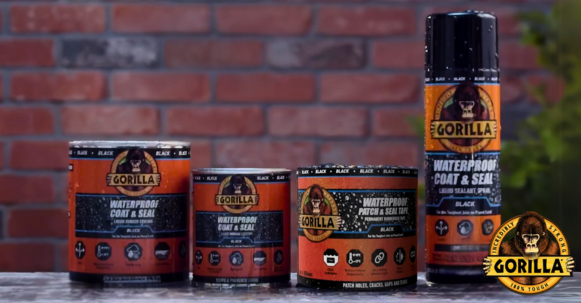
Choose the Right Sealant For The Job
Different waterproofing products will work best for repairing various types of damage.
Here are some general guidelines to help you choose the best Gorilla Glue product for your roof sealing job.
Gorilla Patch and Seal Tape is a waterproof seal that adheres well to most surfaces and stops leaks fast.
Waterproofing Damaged Roof Membranes: Step-by-Step Guide
Step 1: Inspect and Clean the Roof
Clear any loose material using a broom or leaf blower. A leaf blower is ideal for removing dust, leaves, and twigs quickly without damaging the roof surface.
Avoid using a pressure washer on ageing or damaged membranes as high pressure can worsen cracks or force water into seams.
If you do use one, keep the pressure low and allow the surface to dry fully afterward, as sealants may not work well on damp surfaces.
Inspect the entire roof, especially around seams and joints. Use a scraper, screwdriver, or wire brush to remove old or peeling sealant. Then, brush the area with your broom to remove any remaining small pieces and dust.
If you're working near vents, windows, or decorative trim, mask off surrounding areas with painter’s tape and newspaper or plastic sheeting to protect surfaces from overspray.
Step 2: Prepare Your Sealant
Before applying any product, take a few minutes to prepare your Gorilla waterproofing sealant properly and verify that it’s working as intended.
Before you begin, remember to wear protective gloves and old clothing, as both the spray and liquid sealants can stick to skin and fabric.
For Gorilla Waterproof Patch & Seal Spray:
- Shake the can vigorously for at least 2 minutes.
- Test the nozzle by spraying a short burst onto a piece of cardboard or scrap material.
- Expect a slight release of propellant when using the spray for the first time.
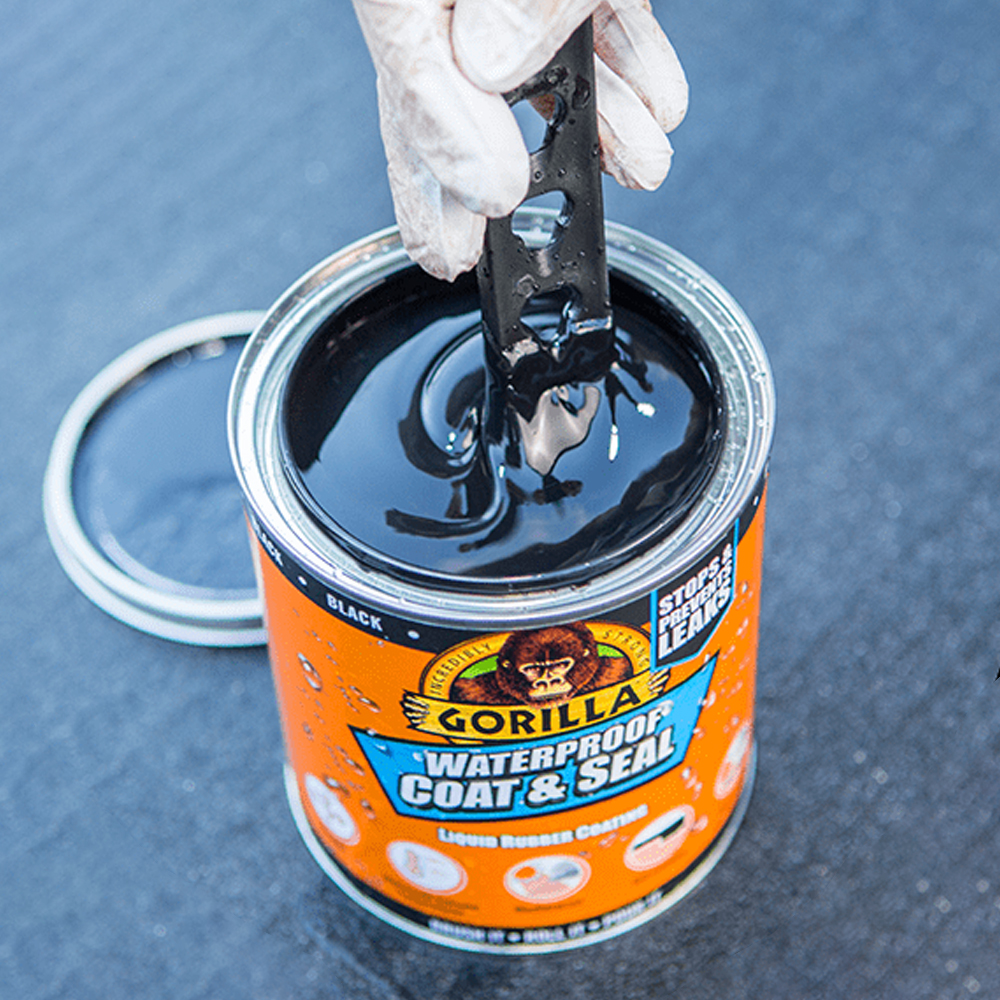
For Gorilla Waterproof Coat & Seal Liquid:
- Stir thoroughly for at least 30 seconds to ensure the contents are thoroughly mixed.
- After first use, slight skinning may occur. Remove it before stirring again for 30 seconds.
Top tip: Always test the product on a small, hidden area of your roof first. Wait 24 hours to check for any unexpected reactions, especially if your roof surface is old, coated, or unfamiliar.
Step 3: Start Sealing Your Roof
Now that your roof is clean and dry and you’ve prepared your sealant, it’s time to start sealing the damaged areas.
For best results, avoid sealing your roof membranes in damp weather and aim for a day with low humidity.
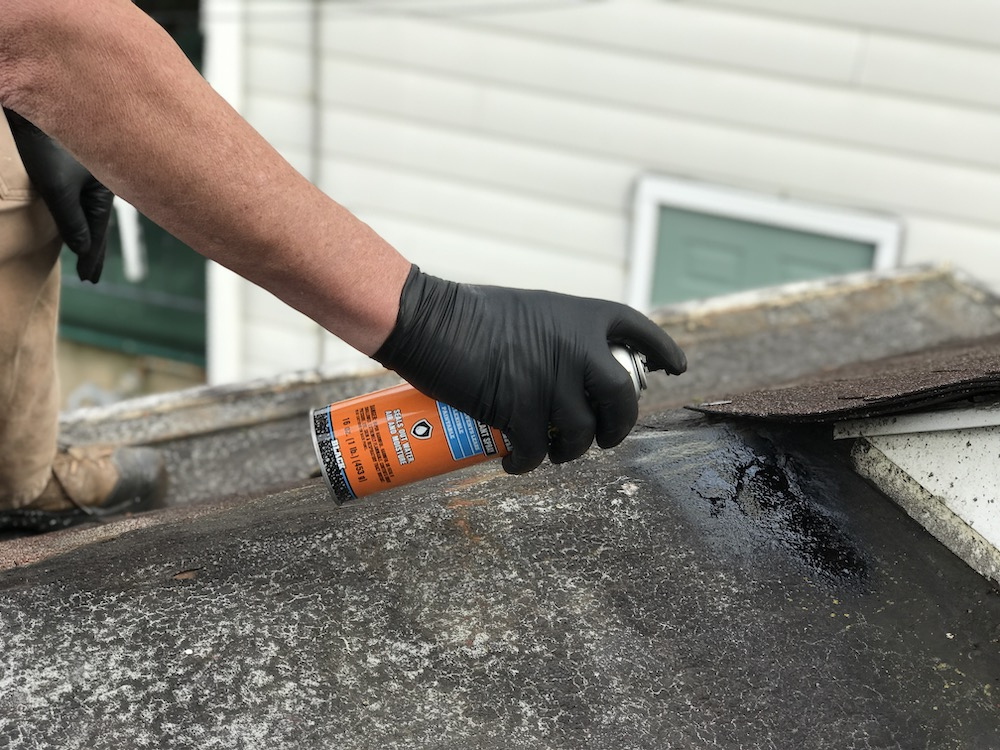
Gorilla Waterproof Coat & Seal Spray: Hold the can 25cm away from the surface. Spray in a sweeping motion to cover all small cracks, holes, and seams evenly.
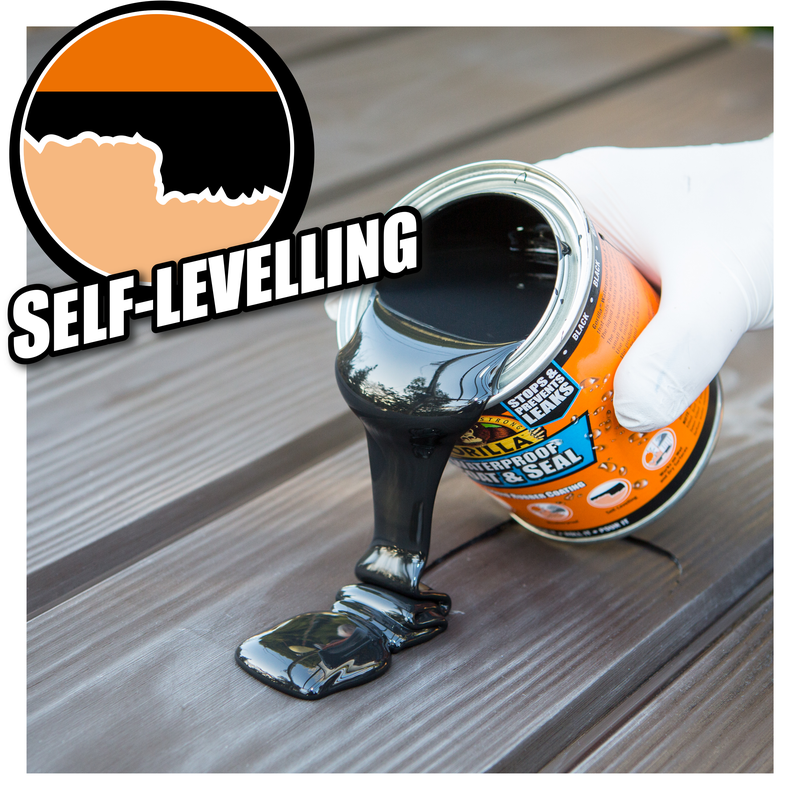
Gorilla Waterproof Coat & Seal Liquid: Pour a small amount onto the marked areas. Then, spread the sealant with a brush, trowel or roller. For wider cracks (up to 6mm), apply multiple coats, allowing each one to dry before adding the next.
Top tip: Keep a cloth or paper towel nearby to wipe away drips or excess product while it's still wet.
Step 4: Let The Sealant Dry and Cure Properly
It’s important to let each layer of sealant dry properly before applying the next. Drying time varies depending on weather conditions, but it typically takes up to 24 hours.
Gorilla Waterproof Coat & Seal Spray will be touch dry in under an hour but needs 24 hours to cure fully. If you’re applying two coats or multiple layers, wait 10 to 15 minutes between coats.
Gorilla Waterproof Coat & Seal Liquid takes between 24 and 48 hours to cure completely. If you’re applying multiple coats, make sure each one dries fully before adding the next.
Top Tip: You can paint over the sealant using latex or oil-based paints. If you’re using oil-based paint, apply a primer first for best results.
Step 5: Test the Repair
Once the sealant has fully cured, check your work. Use a watering can to lightly spray the area and check if any water is still getting through.
If you notice any leaks or damp spots, dry the area thoroughly and apply an additional coat of sealant. Some surfaces, especially rough or porous ones, may need more than one coat to get a proper seal.
Step 6: Clean Up and Storage
Dried sealants can be challenging to remove and can leave a mess. Follow these steps to clean and store your Gorilla waterproofing products.
Remember to wear protective gloves when handling both Gorilla Waterproof Coat & Seal Spray and Gorilla Waterproof Coat & Seal Liquid.
For Gorilla Waterproof Coat & Seal Spray:
- Turn the can upside down.
- Spray briefly away from you to clear the nozzle.
- Wipe it clean with a dry cloth.
- If needed, wipe the nozzle with a small amount of isopropyl alcohol to avoid clogging.
For Gorilla Waterproof Coat & Seal Liquid:
- Wipe any excess product from the rim of the container with a dry cloth.
- Seal the lid tightly to prevent the product from curing inside the tin.
Once opened, the shelf life of your product depends on storage conditions, so make sure you store your Gorilla sealant properly to get the most out of your can or tin. Always store containers upright in a cool, dry place, out of direct sunlight, and away from children and animals.
Regular Maintenance Means a Watertight Roof
With the right products and tools, you can repair and waterproof minor damage to your roof membranes on your own.
To keep your roof leak-free and protect its membranes, inspect it every six months for signs of wear and regularly remove leaves, branches, and other debris to prevent further damage.
If you found this article helpful, be sure to check the Gorilla Glue Blog for more tips, guides, and DIY advice.
FAQs
1. Can Gorilla Waterproof Coat & Seal Spray be applied to all types of roofing materials?
Gorilla Waterproof Coat & Seal Spray can be used on a variety of roofing materials, including metal, concrete, wood, and more.
2. Can I use Gorilla Waterproof Coat & Seal Spray on surfaces other than roofs?
Absolutely! Gorilla Waterproof Coat & Seal Spray is great for sealing cracks, gaps, or tears on gutters, windows, frames, door frames, and other exterior surfaces that require waterproofing.
3. Do I need to reapply the spray regularly?
For long-lasting protection, it's a good idea to inspect your roof and other treated areas periodically. Depending on the wear and tear and exposure to harsh weather conditions, you may need to reapply the spray to maintain optimal waterproofing.
For the toughest jobs on planet Earth®