


How To Remove Duct Tape Residue
Heading
Whether you’re sealing leaks, gathering cables, or fixing things around the house, duct tape is tough, reliable, and endlessly useful. But for all its benefits, removing it can leave behind a stubborn residue that sticks around long after the job is done.
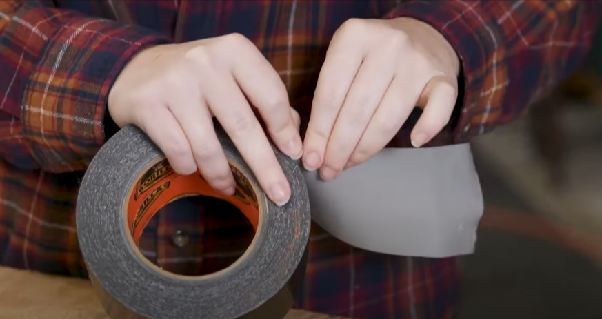
Whether you’re sealing leaks, gathering cables, or fixing things around the house, duct tape is tough, reliable, and endlessly useful. But for all its benefits, removing it can leave behind a stubborn residue that sticks around long after the job is done.
That sticky residue can cling to painted walls, wooden furniture, glass windows, or even fabric materials, and if not removed properly, it can lead to damaged finishes.
The good news? There are safe and simple methods that help remove duct tape residue in minutes. In this guide, we’ll show you how to remove duct tape residue and help you avoid common residue removal mistakes.
Prepare Surfaces for Adhesive Residue Removal
Take a moment to clean your workspace before starting any adhesive residue removal method. A well-prepared workspace helps protect your workstation and makes the residue removal process more manageable.
- Clean and dry the area first. Wipe away any dust, grease, or moisture so that you’re working on a clean surface.
- Remove any leftover duct tape or loose debris. Peel off as much of the duct tape as possible to expose the sticky layer underneath.
- Always test your method in a safe spot first. Some techniques may affect finishes and colours, especially on painted surfaces or delicate materials.
Top tip:
Some surfaces, such as painted walls or polished wood, are more sensitive. In these cases, outline the work area with painter’s tape. This creates a visible border and helps prevent damage in the surrounding area.
Using Gentle Heat to Remove Duct Tape Residue
Heat is a safe and effective way to remove duct tape residue from a hard, nonporous surface like glass, metal, and sealed wood.
Use a hair dryer on medium heat, holding it a few inches from the residue. For the best results, move the dryer in a circular motion for just a minute to soften the adhesive.
Once the sticky residue loosens, gently scrape the affected area with a plastic scraper or soft cloth.
Finish by wiping the area clean with a damp cloth. Avoid using heat on painted walls, plastic surfaces, or vinyl, as it can cause more damage.
Using Solvent-Based Removal Methods
Solvents like rubbing alcohol, vinegar, hand sanitiser, IPA wipes, and nail polish remover are ideal for removing tough tape residue on glass, metal, and tiles.
Apply a small amount of the solvent to a microfibre cloth or soft cloth, then dab the sticky area and let it sit for a minute. Once complete, remove any leftover solvent by wiping the area clean with warm water.
To avoid permanent damage, don’t use acetone on painted, plastic, or varnished surfaces. Check for discolouration or surface damage before applying more broadly.
Using Oil-Based Removal Methods
For delicate surfaces like unfinished wood or plastic, oil-based removers are a gentle and effective solution for tackling sticky residue. Everyday household items such as olive oil, cooking oil or baby oil can help dissolve the adhesive without using harsh chemicals.
Apply a small amount of oil directly to the residue and let it sit for 10 to 15 minutes. Then, use a clean cloth to wipe the tape residue, working in gentle, circular motions. Once this process is complete, wipe the area clean with water.
Removing Duct Tape Residue from Various Surfaces
Not all materials react to tape adhesive in the same way. While some are more sensitive, others can withstand a little more elbow grease. Here’s how to approach each surface safely and effectively:
Painted Walls & Wallpaper
✅ Use warm, soapy water with a damp clean cloth.
❌ Don’t use scraping tools, harsh scrubbing, or solvents, as they can strip paint or rip through wallpaper.
Top Tip:
When working with wallpaper, start in an area that’s out of sight, as some wallpapers are more fragile than they appear.
Glass & Metal
✅ Use a hair dryer to apply gentle heat, then use rubbing alcohol to clear softened residue.
✅ A plastic scraper works well for stubborn patches without scratching the surface.
❌ Don’t use steel wool or anything harsh, as this could result in permanent marks.
Top Tip: You can safely combine both heat and solvent methods on metal. However, exercise caution when working with glass or any material that has the potential to shatter when exposed to heat.
—
Wood
✅ Wood surfaces perform well with oil-based solutions like baby oil or coconut oil. They actively lift sticky tape residue while being kind to wood finishes.
✅ Once you’ve allowed the oil-based solution to sit, wipe along the wood grain with a soft cloth for a clean finish.
✅ If the wood is untreated or unsealed, leave it in the sun for a few minutes to soften the glue, then use a plastic card to gently scrape the residue off.
❌ To avoid warping, swelling, and discolouration, it’s best to avoid water and oil on untreated or unsealed wood.
Top Tip:
If the wood has a protective seal, you can apply more oil and pressure.
Fabric
✅ Add a little soap to some water and gently dab the area with a soft cloth.
✅ Afterwards, use a towel to dab the affected area dry and then let it sit for a while.
❌ Avoid scrubbing the fabric or using heat — this could push the sticky residue deeper into the fibres or damage delicate material.
Top Tip:
Fabrics and their ability to withstand soapy water can vary. Always test an inconspicuous area that’s not immediately visible before continuing.
- Act fast. If you allow the sticky residue to sit and harden over time, it will become more difficult to remove.
- Avoid abrasive tools. Products like steel wool, metal scrapers, and harsh brushes can cause lasting damage.
- Work in well-ventilated areas. When working with solvents like acetone or isopropyl alcohol, it’s important to work in an open and airy room.
- Avoid using too many methods at once. Depending on the material or surface you’re working with, always start with the mildest method. If that doesn’t work, move to a stronger method.
Final Tips & Next Steps
Duct tape residue doesn’t need to stick around. With the right removal method and a little patience, you can get rid of it without damaging your surfaces. Whether you’re restoring a garden bench or tidying up after a home fix, these steps will help you do it properly.
A final bit of advice is to store your duct tape correctly. Heat and humidity can break down the adhesive over time, making the tape harder to manage and messier to remove. Keep your roll in a cool, dry place to maintain adhesive performance and product shelf life.
Information provided within this content is for informational and consideration purposes only.

For the toughest jobs on planet Earth®