

What Is Glue Made Of? The Science Behind Adhesives
Heading
Whether you need an incredibly strong quick fix or a heavy-duty bond, Gorilla products have been specially designed for the toughest jobs on planet Earth.

Have you ever wondered what actually makes glue sticky or how ancient civilisations first discovered adhesives? From Stone Age birch tar to modern synthetic adhesives, glues have played a large role in binding our world together. In this article, we’ll look at how adhesives work, explore different types of glues, and trace their evolution from prehistoric times to the present.
The Basic Composition of Glues
All glues, natural or synthetic, are bonding agents that have sticking properties, which are then altered with additives depending on the purpose. Most modern glues are made up of:
- Bonding agents: Substances that bond to surfaces and one another.
- Additives: Chemicals and materials that alter bonding agents before, during, and after application.
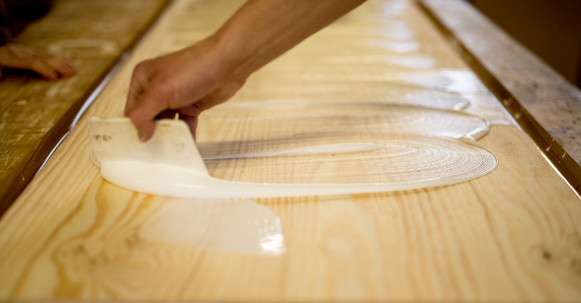
For example, the bonding agent in wood glue is PVA (Polyvinyl Acetate), which is typically solid in its pure form. Manufacturers then incorporate additives such as solvents (water) to turn it into a fluid, preservatives to extend shelf life, and fillers to enhance strength.
Types of Glue & Their Uses
Different glues cater to various applications:
- PVA Glue: A water-based adhesive that is ideal for paper, wood, and crafting projects due to its ease of use and strong bond.
- PU Glue or Polyurethane Glue: This is a moisture-activated adhesive that is water-resistant and durable and bonds to most materials. It expands slightly upon curing, making it ideal for filling gaps and bonding uneven surfaces.
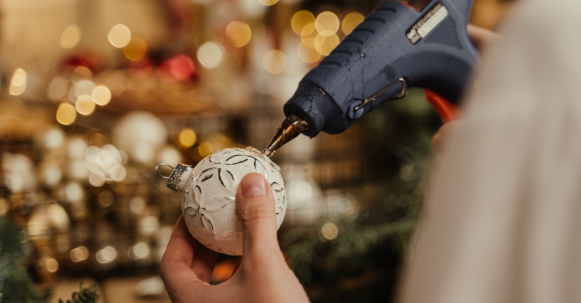
- Hot Melt Glue (Glue Sticks): Perfect for quick DIY projects, offering instant adhesion when applied with a glue gun.
- Super Glue (Cyanoacrylate): This is moisture-activated and provides instant and robust bonding for small repairs and precise applications.
- Epoxy Resin: This is a two-part adhesive that consists of a resin and a hardening agent. Suited for industrial and heavy-duty applications due to its superior strength and resistance to environmental factors.

How Glue Works: The Science Behind Adhesion
Different glues harden through various mechanisms, creating strong chemical and physical bonds as they dry or cure. Here are some of the ways different modern adhesives cure:
Evaporation: Some adhesives, such as PVA glue, rely on solvent evaporation to cure. When the solvent (usually water) evaporates, the glue solidifies, creating a strong physical bond between surfaces.
Chemical reactions: Reactive adhesives, including epoxy resins, polyurethane (PU glue), and cyanoacrylate (super glue), cure through chemical reactions.
Heat: Hot melt adhesives (such as glue sticks) become fluid when heated in a glue gun. They harden rapidly upon cooling, creating instant bonds that are ideal for quick projects and DIY tasks.
UV Light: UV curing adhesives contain specific resins or polymers that remain fluid until exposed to ultraviolet (UV) light. Once exposed, the adhesive cures and hardens.
Cooling: Glues sold in dried forms like pellets or powder are heated and melted to create a viscous solution that hardens and bonds to surfaces as the glue cools.
A Brief History of Glue: From Ancient Times to Today
We humans have been sticking things together for a long time—far longer than a cursory glance at the glue aisle in the hardware store might lead you to believe.
Plant-Based Glues
Plant-based adhesives have been used for thousands of years, and early evidence of their use can be found in mural paintings and artefacts.
In fact, there is archaeological evidence to suggest that our Pleistocene ancestors made and used glue-like, plant-based adhesives like birch tar and red ochre as early as the Stone Age.
Animal-Based Glues
As societies developed more complex structures and tools, the demand for adhesives grew. Animal-based adhesives were the next development in the evolution of glue and became essential for crafting wooden furnishings and tools.
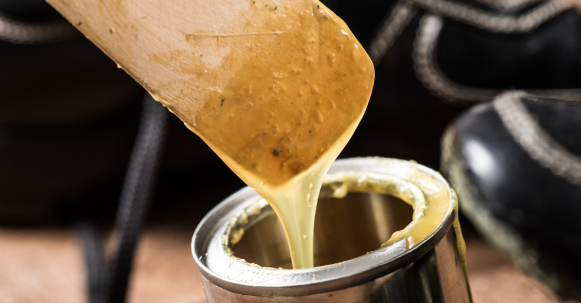
This involved extracting ‘glue liquor’ by boiling animal parts, such as bone, sinew, and hide. The glue liquor was then concentrated, dried, and processed into usable forms, such as pellets, chips and powder.
Did you know that the first commercial glue factory, which produced animal-based glue, was started in Holland in the late 17th century?
Synthetic Glues
With the industrial revolution, a new class of adhesives were discovered and began to be produced at a commercial scale.
Alexandre Parkes synthesised the first human-made plastic in 1862. However, synthetic glues were not widely used for almost 70 years.
These innovations paved the way for today’s diverse range of adhesives, meeting a broad spectrum of industrial and domestic needs.
Is Glue Made From Horses?
Not anymore, but up until the 1920s, glues were primarily made with animal byproducts such as hides, bones, and fish. Animal glues that were used before the introduction of modern synthetic glues, included:
- Hide glue, which is made from cooking down animal hides and was traditionally used in woodworking.
- Bone glue, which is produced by boiling animal bones and was also used in furniture restoration and woodworking.
- Fish glue, which is derived from fish parts, was a popular choice for bookbinding, furniture repair, and as a paint binder.
Certain animal-based glues are still popular for niche applications, such as antique restorations, classical instrument construction, and traditional crafts.However, most modern glues that we use every day are synthetic and don’t contain animal by-products.
The History of Gorilla Glue
Like our early ancestors, we’ve tried and tested different formulations to find the best adhesive for every situation. The founder of The Gorilla Glue Company, Mark Singer, discovered the original formula on a trip to Indonesia in 1994.
As a woodworker, he immediately saw the potential of a product that was waterproof, expanding, tough, and able to bond various materials. He bought the North American rights to the product and formed The Gorilla Glue Company that same year.
Since then, Gorilla Glue has expanded worldwide and expanded its range of adhesives to include sealants, tack, grab adhesives, wood glue, and waterproofing products. It’s still family-owned and operated from its headquarters in Cincinnati, Ohio.
Now That You're Clued Up on Glue
Whether you need an incredibly strong quick fix or a heavy-duty bond, Gorilla products have been specially designed for the toughest jobs on planet Earth. From crafts to DIY, we’ve got you covered.
For more tips, guides, and how-tos, be sure to check out our latest articles on the Gorilla Glue blog.
Information provided within this content is for informational and consideration purposes only.
For the toughest jobs on planet Earth®