


What is the Best Glue for Plastic?
Heading
In this article, we’ll guide you through the entire process — from identifying your plastic type to selecting the best plastic glue for your needs.

Whether you’re fixing a kitchen utensil or tackling a variety of home repairs, there are countless reasons to use glue when working with plastic.
But with so many plastic types and glues on the market, knowing which glue to use can be confusing. The wrong adhesive might not hold up or, worse, cause irreversible damage.
In this article, we’ll guide you through the entire process—from identifying your plastic type to selecting the best plastic glue for your needs. We’ll also share tips to ensure your repair not only lasts but also saves you time and hassle.
Types of Adhesives for Plastics
Different adhesives interact with different plastics in various ways. Here are a few common glues that can bond plastic.
- Solvent-Based Adhesives: These adhesives dissolve the top layer of plastic, allowing the pieces to fuse as the solvent evaporates. Once cured, they create a cohesive bond that’s hard to break.
- Plastic Cement (Plastic Glue): This adhesive is specifically formulated for plastics. It slightly melts the surfaces it touches, which then fuses as the adhesive dries.
- Cyanoacrylate Adhesives (Super Glues): Cyanoacrylate adhesives are a go-to choice for many household fixes. They work well on more minor plastic repairs that need a quick set time, but can also damage certain plastics.
- Epoxy Adhesives: Epoxy is a two-component mixed adhesive that forms a durable, long-lasting bond. It is versatile, quick-setting, and often used where strength is a priority.
- Acrylic Adhesives: Acrylic adhesives are a reliable option for a strong, transparent bond. They cure to form a clear join, making them popular for hidden repairs.
- Hot-melt Adhesives: These adhesives are applied with a glue gun and create a bond as they cool. They’re great for situations where speed and flexibility are important, but they don’t work well on all types of plastics.
Identifying Your Plastic Type
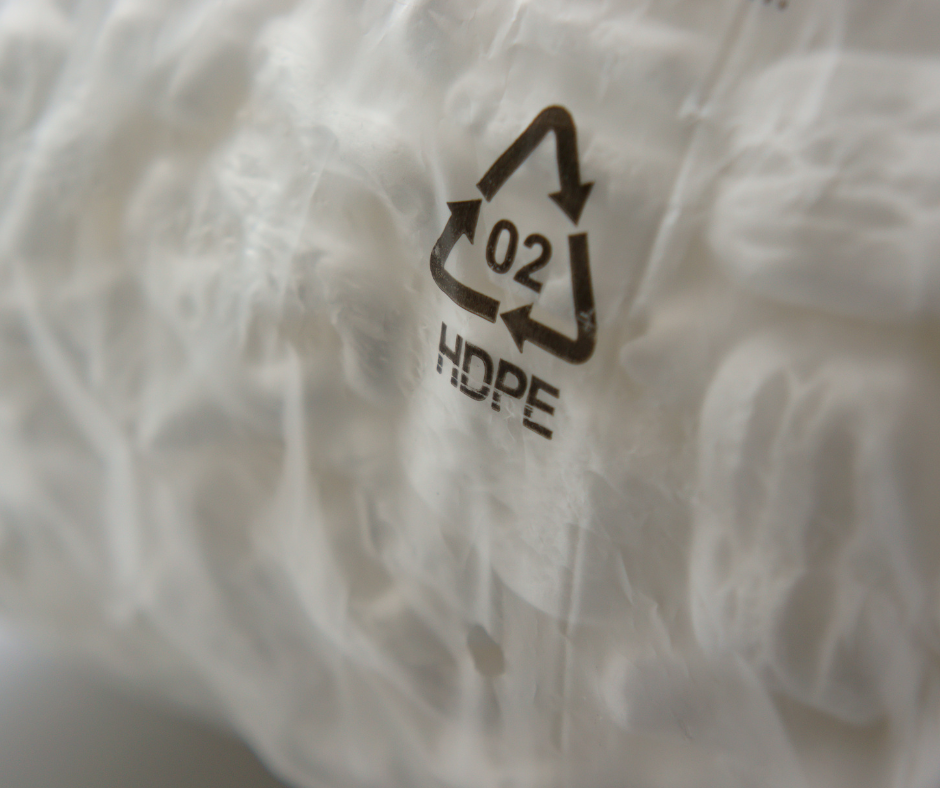
The first step to a solid bond is knowing the type of plastic you’re dealing with. The quickest way is to look for the material type symbol, which usually consists of a triangle of arrows with a number in the centre.
This number will tell you what kind of plastic you’re dealing with, and from there, you can determine which glue will work best.

Common Plastics and Recommended Glues
Below are some typical plastics you’ll find around the house, along with suggestions on which adhesives are likely to give you the best hold.
Material Type 1: Polyethylene Terephthalate (PET)
- Examples: Bottles, heavy-duty buckets
- Glue Recommendation: PET has a very low surface energy, which makes it difficult for most glues to grip. Surface preparation techniques like light sanding and heating may help improve adhesion. However, we don’t recommend using Gorilla adhesives to bond PET.

Material Type 2: High-Density Polyethylene (HDPE)
- Examples: Milk bottles, shampoo bottles, cutting boards
- Glue Recommendation: Most glues will struggle to grip and bond HDPE effectively. Surface preparation techniques, like sanding and heating, may offer better results for non-structural fixes, but we do not recommend using adhesives to glue HDPE.
Material Type 3: Polyvinyl Chloride (PVC)
- Examples: Flexible tubes, plastic pipes
- Glue Recommendation: Plastic cement, super glue, or epoxy will work. These are well-suited for smaller items or places where the bonding area is limited.

Material Type 4: Low-Density Polyethylene (LDPE)
- Examples: Squeezable bottles, plastic bags, some clothing or furniture pieces
- Glue Recommendation: LDPE has a very low surface energy, which means most household glues will struggle to bond and hold reliably together. You may need to purchase a specialised adhesive or consider alternative techniques, such as plastic welding.

Material Type 5: Polypropylene (PP)
- Examples: Bottle caps, pill containers
- Glue Recommendation: Polypropylene’s low surface energy makes it challenging to bond. Some industrial adhesives can work if the surface is prepared, but most store-bought glues won’t reliably bond to PP.

Material Type 6: Polystyrene (PS)
- Examples: Disposable cups, cutlery, model kits
- Glue Recommendation: While some industrial adhesives can bond polystyrene, store-bought glues won’t bond it reliably.

Material Type 7: Other Plastics
- Examples: ABS, acrylic, HD-LD, polycarbonate, fibreglass composites, and more.
- Glue Recommendation: It really depends on the specific plastic. When in doubt, consult your glue manufacturer or your local hardware store for the best match.

Additional Tips for Glueing Plastic
- Surface preparation: Lightly sanding or scoring the surface will improve adhesion. Clean any dust or residue with a mild solvent or soapy water, then let it dry completely before applying glue.
- Work in a well-ventilated area: Many plastic-friendly adhesives (like epoxies and superglues) release strong fumes. Ensure you’re working in an area with good airflow and always wear protective gear.
- Check curing times: Some adhesives, such as super glue, set in seconds, while others, like epoxy, may take several hours to cure fully. For best results, always follow the instructions on the product label.
- Test on a scrap piece: If you’re unsure how your plastic or chosen adhesive will behave, first do a small test on a similar material.

Always Check Your Plastic
A little research and solid preparation can help achieve a strong, long-lasting bond on plastic surfaces. Because there are so many plastics available, always check the type you’re working with to get the best results.
While our products work well on a variety of plastics, we do not recommend you use them with polypropylene (PP), polyethene (PE), or any rubber with a high oil or plasticiser content.
If you have any questions about using Gorilla Glue products to glue plastics, please feel free to contact our technical team via the contact us page for assistance.

For the toughest jobs on planet Earth®