


What’s the Best Wood Glue? Our Guide For 2025
Heading
In this guide, we’ll discuss the different types of glue that work well with wood. We’ll also share product recommendations for various projects and tips for getting the best results from your glue.
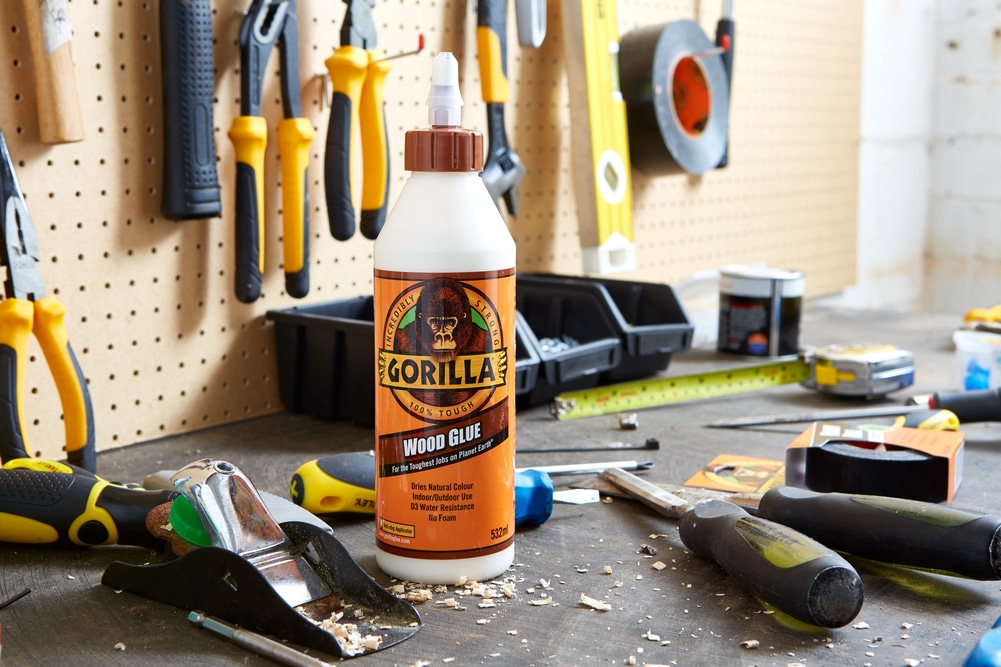
Generally speaking, a quality PVA wood glue like Gorilla Wood Glue is the best choice for most woodworking projects and repairs. However, depending on the task at hand, other glues may offer better results.
In this guide, we’ll discuss the different types of glue that work well with wood. We’ll also share product recommendations for various projects and tips for getting the best results from your glue.
What To Consider When Choosing an Adhesive
There are many glues available that will provide a strong, reliable adhesive. But as with anything, details matter. Here are some factors to consider before you get started.
- Strength requirements: Different glues provide varying levels of adhesive strength, with epoxy and polyurethane glues offering the strongest bonds.
- Water resistance: For outdoor projects, choose a waterproof glue, such as polyurethane glue.
- Drying time: Some glues, like PVA, take up to 24 hours to fully cure, while cyanoacrylate (CA) glue cures in seconds.
- Material compatibility: Some glues work best on porous materials, while others work well on smoother materials.
Which Wood Glue Is Best for Your Project?
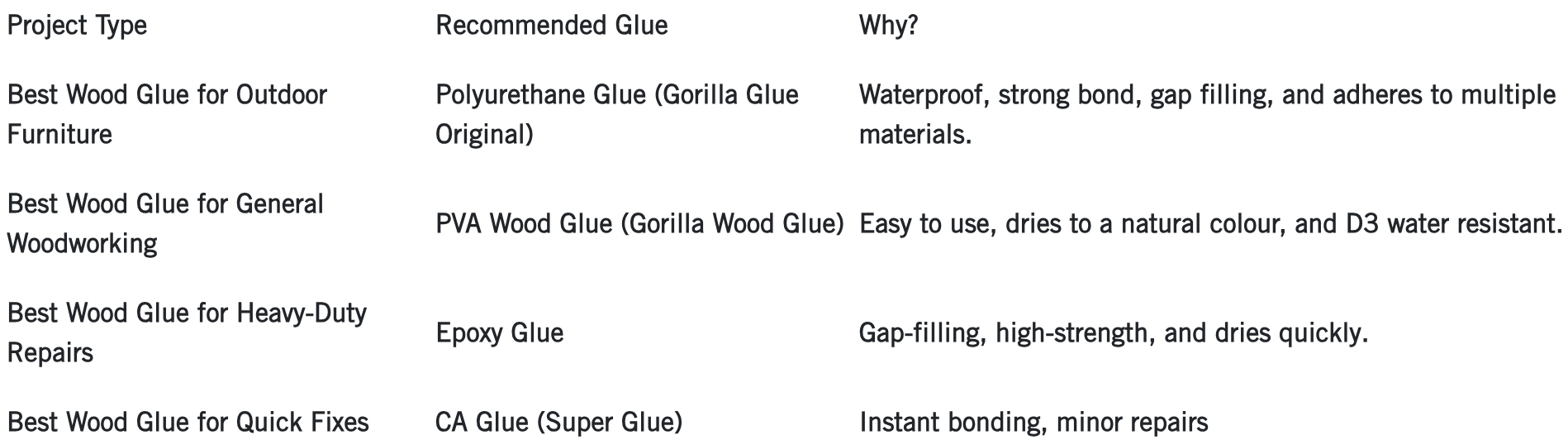
Different Wood Glues
PVA Glue (Polyvinyl Acetate)
PVA glue, also known as wood glue, is the most popular adhesive for woodworking projects. This water-based glue dries either clear or to a natural wood colour and is ideal for bonding hardwoods, softwoods, and wood composites.
Ideal Uses: Everyday DIY projects such as furniture repairs, cabinet assembly, and light carpentry.
Top Tip: If you’re using PVA glue for outdoor projects, make sure it’s D3 water-resistant or D4 waterproof. For a reliable D3 water-resistant bond, try Gorilla Wood Glue.

Epoxy Glues
Epoxy adhesives consist of a resin and a hardener that are mixed to form a powerful, long-lasting bond. They are great for filling gaps and are resistant to solvents once cured, making them ideal for heavy-duty repairs.
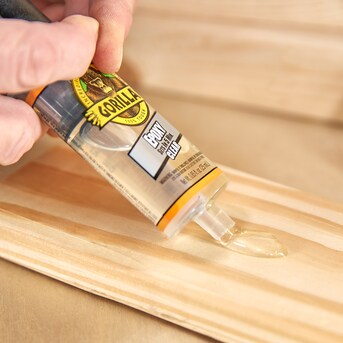
Top Tip: Mix the resin and hardener thoroughly and clamp securely, allowing ample curing time for maximum strength. For a stronger bond, use Gorilla Clear Epoxy.
Polyurethane Glue (Original Gorilla Glue)
Polyurethane glue is a moisture-activated adhesive that expands as it cures. It is ideal for filling gaps and bonding irregular surfaces, making it perfect for outdoor projects and joints exposed to moisture.
Top Tip: Dampen surfaces slightly before applying PU glue and clamp securely whilst curing to maximise adhesion. For durable, 100% waterproof bonding, try Gorilla Glue Original.

Cyanoacrylate (Super Glue)
Cyanoacrylate, or super glue, is known for its rapid bonding capabilities. It is perfect for quick fixes and minor repairs on smooth wood surfaces, though its gap-filling capacity is limited.
Top Tip: Use super glue sparingly and ensure pieces are perfectly aligned, as repositioning once applied is difficult.

Other Glues For Wood
Hide Glue
Hide glue is an animal-based adhesive popular in traditional woodworking and restoration projects. It comes in liquids, flakes, or granules that are melted down and applied while hot.
Carpenter’s Glue
Contrary to what you might read on the internet, carpenter’s glue is not just yellow PVA. While it may share some characteristics with PVA wood glue, it’s actually an aliphatic resin with differences in initial grip, water resistance, and hardness once cured.
Tips To Achieve a Strong Wood Glue Joint
- Prepare your surfaces: Sand the end grains and long grains of your wood pieces and ensure the wood fibres are clean before you apply your glue.
- Apply the right amount of glue: Use a thin, even layer to avoid waste and excessive squeeze-out.
- Clamp your pieces properly: Many repairs and projects require clamping to achieve the best bond.
- Clean as you go: Use a damp cloth to clean up excess glue before it dries.
- Give the glue enough time to cure: Follow the product guidelines for curing times.

For the toughest jobs on planet Earth®